














The Ultimate Coping Saw Guide: Master Intricate Cuts and Perfect Miters (2026 Update)
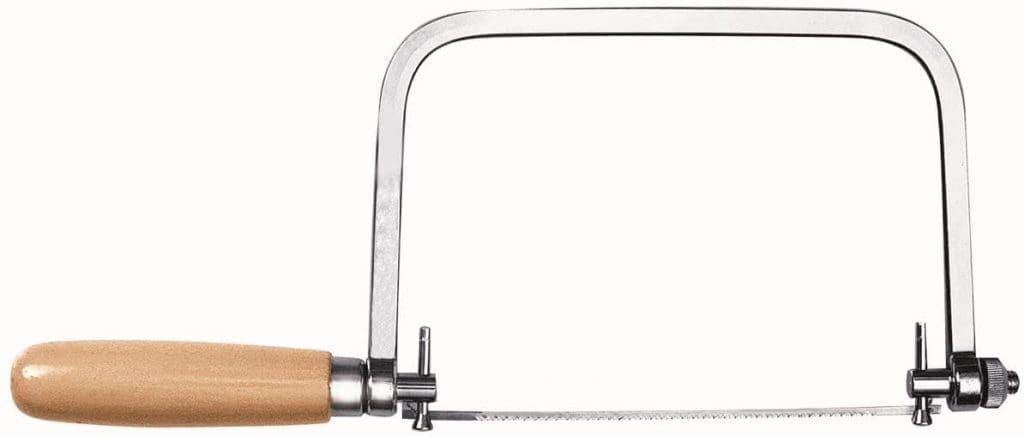
If you’ve ever struggled with a visible gap in your crown molding, you know that a miter saw alone won’t save you. You need a coping saw. But here is the truth: most DIYers fail because they treat this precision tool like a regular handsaw. In this updated guide, we move past the basics and dive into the tension techniques and blade physics that separate a professional joint from a frustrated mess.
🛠️ Pro Secret: The “Tension Ping” Test
The #1 mistake people make with a coping saw is insufficient tension. If your blade is loose, it will wander during the cut, especially in hardwoods like oak. My personal trick: Once the blade is installed, pluck it like a guitar string. If it makes a dull thud, it’s too loose. You want a high-pitched “ping.” This rigidity is what allows you to follow a pencil line with sub-millimeter accuracy.
Quick Comparison: TPI and Material Selection
Don’t just grab the first blade in the pack. Matching the Teeth Per Inch (TPI) to your material is crucial for clean cuts.
| Material | Recommended TPI | Best Use Case |
|---|---|---|
| Softwood / Pine | 10 – 15 TPI | Fast, aggressive material removal. |
| Hardwood / Molding | 18 – 22 TPI | Clean, intricate scrollwork and trim. |
| Plastics / PVC | 24 – 32 TPI | Helical teeth blades for smooth curves. |
🎧 Master Your Craft While You Listen
Coping a whole room of crown molding requires patience and focus. It’s the perfect time to knock out that audiobook you’ve been meaning to finish while you work with your hands.
Get a FREE Trial of Audible through our link and enjoy a premium title on us to keep you company in the workshop.
Step-by-Step: How to Cope a Perfect Joint
A properly coped joint will fit well even if your walls don’t meet at an exact 90-degree angle. Here is the process used by pros like Norm Abram.
- The Miter Cut: Put the molding in a miter box and make a 45-degree cut to expose the profile on the front side.
- Outline the Profile: Use a pencil to trace the edge of the profile. This “cheat line” makes it much easier to stay on track during the intricate cut.
- The Coping Cut: Use your saw to cut along the pencil line. Pro Tip: Angle the saw slightly (back-cutting) to remove more wood from the backside than the front. This ensures the front profile butts together neatly.
- Test Fit: Butt the pieces together and trim any high spots with sandpaper or a sharp knife.
Buying Guide: What Factors Should You Consider?
Buying a cheap, flimsy frame is a mistake that leads to broken blades and crooked cuts. When shopping for your next coping saw, look for these key aspects:
1. Throat Depth
The space between the blade and the frame determines the type of project and spaces the saw can work on. A narrower throat allows for more effective cutting in tight spaces, which can result in real-time savings.
2. Blade Rotation & Connection
The best coping equipment must have spigots that allow for 360-degree blade rotation. This allows you to keep the frame in a comfortable position while the blade handles the intricate curves.
3. Ergonomics
If you intend to use it for a variety of tasks, an ergonomic handle is critical. It ensures you can make precise depth-controlled cuts for longer periods without hand fatigue.
Our Top Pick: The Best Coping Saw of 2026
Robert Larson Coping Saw – Professional Choice
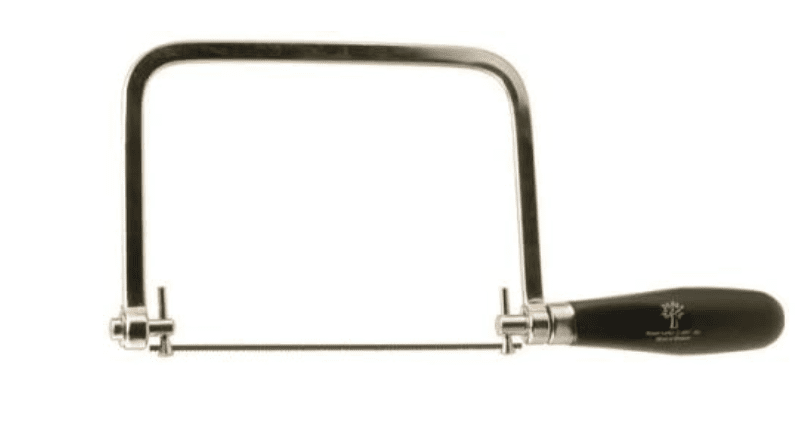
German engineering at its finest. The Robert Larson Coping Saw remains our top recommendation because of its incredible durability and tension-holding capabilities. Unlike budget frames that flex under pressure, this saw stays rigid, ensuring your 18-24 TPI blade follows the exact path you intend.
- ✅ Solid Metal Structure: Built to last for years of continuous workshop use.
- ✅ Easy Tension Adjustment: Quick and easy to use with a reliable adjustment mechanism.
- ✅ Standard Blade Fit: Simple to replace blades with any standard tool-accepting blades.
Frequently Asked Questions (FAQ)
Why is it called a “coping” saw?
Coping refers to the top course of a curved wall. In woodworking, the wood is “coped” to meet the curvature of another profile, like a skirting board.
Should I cut on the push or pull stroke?
Most often used with the blade positioned to cut on the pull stroke (teeth facing the handle), it provides better control and prevents the thin blade from buckling during precise cuts.
What is the thickest material a coping saw can cut?
This is determined by the frame size. Once you’ve cut to the depth of the frame (throat), the frame itself will block you from going deeper into the workpiece.