










That is why the better question is not only whether deer eat viburnum.
The better question is: which viburnums are less likely to be eaten, when are they most vulnerable, and how do you protect them until they are established?
Quick Answer: Are Viburnum Deer Resistant?
Viburnum shrubs are often considered deer resistant, but they are not deer proof. Deer usually avoid many established viburnums when other food is available, but they may browse young plants, tender spring growth, flower buds, or foliage during winter, drought, or heavy deer pressure.

Part of Our Viburnum Care Series
This deer-resistance guide supports our main viburnum shrub guide, where we cover varieties, care, bloom time, pruning, height and spread, hedge uses, and landscape planning.
What “Deer Resistant” Actually Means
The phrase “deer resistant” causes more confusion than almost any plant label.
It does not mean deer will never touch the plant.
It means deer are less likely to prefer that plant compared with more tender, juicy, familiar, or palatable options nearby.
Deer browsing changes based on:
- Season: winter and early spring browsing can be much worse than summer browsing.
- Food availability: deer eat more “resistant” plants when preferred food is scarce.
- Local deer pressure: suburban neighborhoods with too many deer may see more damage.
- Plant age: young viburnums are usually more vulnerable than established shrubs.
- New growth: tender shoots and flower buds are more tempting than older leaves.
- Weather stress: drought, snow cover, and cold can push deer toward plants they normally avoid.
Deer Resistance Reality Check
No shrub is truly deer proof in every yard. If deer are hungry enough, they may browse viburnum, boxwood, holly, arborvitae, roses, hydrangeas, and almost anything else within reach.
Do Deer Eat Viburnum by Variety?
Not all viburnums are equally likely to be browsed.
Some varieties are tougher, more aromatic, more leathery, or less attractive to deer. Others may be more vulnerable when young or when planted in exposed deer-heavy areas.
| Viburnum Type | Deer Resistance | Most Vulnerable Stage | Best Use |
|---|---|---|---|
| Arrowwood Viburnum | Moderate to good | Young plants and tender shoots | Native hedges, wildlife borders, naturalized plantings |
| Snowball Viburnum | Moderate | Flower buds and new spring growth | Showy spring specimen shrub |
| Korean Spice Viburnum | Moderate to good | New growth on young shrubs | Fragrance gardens, entryways, foundation beds |
| Sweet Viburnum | Variable | Fresh hedge growth | Evergreen privacy screens in warm climates |
| Doublefile Viburnum | Moderate | Tender branch tips and buds | Layered specimen shrub, spring display |
The safest mindset is simple: consider viburnum deer resistant, not deer immune.
If you live in an area with heavy deer pressure, protect new viburnum shrubs for the first few seasons.
Do Deer Eat Snowball Viburnum?
Deer may eat snowball viburnum, especially tender new shoots or flower buds, but it is not usually their first choice when better food is available.
The biggest risk is losing the spring flower show.
Snowball viburnum is usually planted for its large white bloom clusters. If deer browse the buds or young flowering stems before bloom, you may still have a healthy green shrub, but fewer flowers.
How to Protect Snowball Viburnum From Deer
- Protect young shrubs with temporary fencing.
- Apply deer repellent before heavy browsing seasons.
- Reapply repellents after rain according to label directions.
- Avoid planting young snowball viburnum directly on known deer paths.
- Use companion plants with stronger scent or texture nearby.
Snowball Viburnum Care
For bloom time, pruning, mature size, and common problems, see our full snowball viburnum care guide.
Do Deer Eat Arrowwood Viburnum?
Arrowwood viburnum is often considered a good choice for native plantings and wildlife-friendly landscapes, but deer may still browse it under pressure.
Young arrowwood viburnum is more vulnerable than mature plants.
Once established, arrowwood can become a dense, useful shrub for mixed borders, wildlife hedges, and naturalized edges. But if deer repeatedly eat it down while it is young, it may struggle to develop the structure you want.
Why Arrowwood Viburnum Still Makes Sense
- It has strong native landscape value.
- It can support birds with cover and berries.
- It works well in naturalized shrub borders.
- It tolerates a range of landscape situations.
- It can recover better once established and well-rooted.
If you plant arrowwood viburnum in deer country, give it protection until it reaches a stronger size.
Native Viburnum Support Guide
For size, berries, native value, pruning, and landscape uses, read our full arrowwood viburnum guide.
Do Deer Eat Korean Spice Viburnum?
Korean spice viburnum is often grown for fragrance, compact size, and early spring flowers.
Deer do not usually treat it like candy, but young shrubs and tender growth can still be browsed.
The bigger issue is placement.
Because Korean spice viburnum is often planted near walkways, porches, patios, and entry paths where people can enjoy the fragrance, it may also be planted in open, accessible areas where deer can easily reach it.
Protecting Korean Spice Viburnum
- Protect flower buds before bloom season in high-deer areas.
- Use repellents before browsing begins, not after damage is severe.
- Consider temporary netting or fencing while the plant is young.
- Avoid heavy pruning after deer damage until you see where new growth appears.
For fragrance, bloom timing, and planting placement, see our full Korean spice viburnum care guide.
Do Deer Eat Sweet Viburnum Hedges?
Sweet viburnum is often planted as a large evergreen or semi-evergreen privacy hedge in warm climates.
Deer browsing can be variable.
Some homeowners see little damage. Others notice deer nibbling fresh hedge growth, especially when the plants are young, newly flushed, or planted near wooded edges.
Because sweet viburnum hedges are often planted in rows, one hungry deer path can damage multiple plants at once.
Sweet Viburnum Hedge Protection Tips
- Protect new hedge rows during establishment.
- Use repellents consistently during the first few seasons.
- Fence the most exposed side if the hedge borders woods or open land.
- Keep plants watered and healthy so they recover faster from light browsing.
- Do not over-fertilize with nitrogen, which can produce tender growth deer may sample.
Planning a Viburnum Hedge?
If your goal is a dense privacy screen, pair this guide with our upcoming sweet viburnum guide and viburnum hedge spacing guide.
When Are Viburnum Shrubs Most Vulnerable to Deer?
Deer damage is not equal all year.
Viburnum shrubs are usually most vulnerable when the plant is young, newly planted, pushing tender growth, or holding buds that deer can easily reach.
Highest-Risk Times
- Late winter: natural food is limited and deer become less selective.
- Early spring: tender new growth is soft and appealing.
- Drought periods: deer may browse plants they normally ignore.
- After planting: nursery-grown shrubs are often lush, tender, and easy to damage.
- Snow cover: deer browse whatever remains accessible above the snow.
- Heavy local deer pressure: repeated browsing can happen even on resistant shrubs.
Most Important Protection Window
The first two growing seasons matter most. A mature viburnum can often tolerate light browsing, but a newly planted shrub can be set back badly if deer eat the tips repeatedly.
How to Protect Viburnum From Deer
The best deer protection strategy is layered.
Do not rely on one spray, one scare device, or one plant label.
Use a combination of plant choice, fencing, repellents, spacing, and timing.
1. Use Temporary Fencing for Young Viburnums
Temporary fencing is the most reliable protection for new shrubs.
It does not have to be beautiful forever. It only needs to protect the plant while it establishes a strong root system and enough branching to recover from light browsing.
2. Apply Deer Repellent Before Damage Starts
Deer repellents work best when used preventively.
Do not wait until the shrub is half eaten. Apply repellents according to the label, rotate products if needed, and reapply after heavy rain.
3. Protect Flower Buds
If your viburnum is grown for flowers, protect it before bloom season.
A deer may not destroy the shrub, but it can ruin the flower show by browsing the buds.
4. Avoid Over-Fertilizing
Heavy nitrogen fertilizer can produce soft, lush growth that is more appealing to deer.
Healthy growth is good. Excessively tender growth is a deer invitation.
5. Plant in Layers
Use deer-resistant companion plants around vulnerable shrubs where appropriate.
Plants with strong scent, fuzzy leaves, tough texture, or sharp foliage may help reduce browsing pressure, although they are not guaranteed.
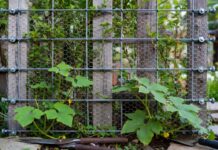
Useful for protecting young viburnum shrubs from deer browsing:
What Deer Damage Looks Like on Viburnum
Deer damage usually looks different from insect or disease damage.
Deer do not make neat cuts.
Because they tear foliage and stems rather than slice them cleanly, browsing damage often looks ragged.
Common Signs of Deer Browsing
- ragged, torn stem tips
- missing flower buds
- uneven browsing at deer head height
- fresh tracks near the shrub
- droppings nearby
- repeated damage on the outer side facing woods or open lawn
- new growth disappearing overnight
If damage appears as clean angled cuts, it may be rabbits, rodents, or pruning damage instead.
If leaves are skeletonized or full of holes, the issue may be insects rather than deer.
How to Help Viburnum Recover After Deer Damage
A lightly browsed viburnum can often recover well.
The key is not to panic-prune too much.
Start by cleaning up broken stems, then let the shrub push new growth before making major shaping decisions.
Recovery Steps
- Assess the damage: Determine whether deer removed only tips or severely reduced the shrub.
- Remove broken stems: Use clean bypass pruners to tidy ragged damage.
- Water during dry weather: Drought stress slows recovery.
- Protect from repeat browsing: Fence or repel immediately so new growth is not eaten again.
- Wait before major reshaping: Let the plant reveal where it is regrowing.
- Prune at the correct time: If flowers matter, follow proper viburnum pruning timing.
Pruning After Deer Damage
If deer damaged your viburnum, avoid random hard pruning. Use our guide on when to prune viburnum so you do not accidentally remove the next bloom cycle while cleaning up damage.
Best Viburnum Planting Strategy in Deer Country
If you live in a deer-heavy area, the way you plant viburnum matters almost as much as the variety.
A single young viburnum planted alone at the edge of the woods is basically a buffet sign.
A better strategy is to plant in layers, protect young shrubs, and use deer pressure as part of the design plan.
Better Planting Practices
- Plant young viburnums closer to the house if deer pressure is lower there.
- Avoid placing valuable flower-focused viburnums directly on deer travel routes.
- Use temporary fencing until shrubs are established.
- Group shrubs with other less-palatable plants.
- Choose larger nursery stock if deer browsing is severe.
- Keep plants healthy so they recover better from light damage.
Need Help Designing a Deer-Resistant Landscape?
A local landscaper can help you choose better shrub combinations, protect young plants, design mixed borders, and reduce deer damage without turning your yard into a fortress.
Find Local Landscaping Pros on Angi
Sponsored affiliate link. Professional availability and pricing vary by location.
Best Deer-Resistant Alternatives to Viburnum
If deer pressure is extreme, viburnum may still be worth trying, but you may also want backup options.
No plant is perfect, but some shrubs are commonly used in deer-resistant landscapes because of scent, texture, toxicity, or tougher foliage.
| Alternative Shrub | Why Gardeners Use It | Best Use |
|---|---|---|
| Boxwood | Often avoided by deer due to scent and texture | Formal borders, foundation planting, low hedges |
| Juniper | Prickly evergreen foliage is less appealing | Evergreen structure, slopes, screens |
| Inkberry Holly | Evergreen native option in many landscapes | Foundation beds, natural hedges, rain gardens |
| Spirea | Often less preferred and easy to maintain | Flowering borders, mass planting |
| Barberry | Thorny texture discourages browsing | Barrier plantings where allowed |
Always check local invasive plant guidance before planting alternatives like barberry, because some species or cultivars may be restricted or discouraged in certain regions.
Final Thoughts
So, do deer eat viburnum?
They can, but viburnum is still one of the better flowering shrub groups to consider if you want beauty, structure, and some level of deer resistance.
The key is expectation management.
Viburnum is not deer proof. Young shrubs need protection. Flower buds can be vulnerable. Heavy winter browsing can change the rules. But mature viburnum shrubs are often less attractive to deer than many tender landscape plants.
If you already have viburnum, protect it during the vulnerable stages and prune correctly after damage. If you are planning a new landscape, choose the right viburnum variety, plant it in a smart location, and protect it until established.
For the full variety and care breakdown, return to our main viburnum shrub guide.
Frequently Asked Questions
Do deer eat viburnum?
Deer may eat viburnum, especially young plants, tender new growth, and flower buds. However, many viburnum shrubs are considered deer resistant and are often less preferred than more tender landscape plants.
Are viburnum deer resistant?
Yes, viburnum is generally considered deer resistant, but not deer proof. Hungry deer may still browse viburnum during winter, drought, food shortages, or heavy deer pressure.
Do deer eat snowball viburnum?
Deer can browse snowball viburnum, especially flower buds and tender spring growth. Protect young plants and buds if you live in a high-deer area.
Do deer eat arrowwood viburnum?
Deer may browse arrowwood viburnum when food is scarce, but it is often considered a useful native shrub option for landscapes where moderate deer resistance is needed.
What viburnum is most deer resistant?
Deer resistance varies by region and local browsing pressure. Arrowwood viburnum, Korean spice viburnum, and some tougher established viburnums are often less attractive than more tender shrubs, but none are guaranteed deer proof.
How do I protect viburnum from deer?
Use temporary fencing around young shrubs, apply deer repellent before damage starts, protect flower buds before bloom season, avoid over-fertilizing, and plant viburnum away from heavy deer travel routes when possible.
Will viburnum grow back after deer eat it?
Lightly browsed viburnum often grows back, especially if the shrub is healthy and established. Severe or repeated browsing can weaken young plants, reduce flowering, and slow growth.
What does deer damage look like on viburnum?
Deer damage usually looks ragged or torn because deer pull and tear stems rather than making clean cuts. Missing buds, uneven browsing at deer height, tracks, and droppings nearby are common clues.