






That is the thing about viburnum: the genus is huge, and the plants do not all behave the same way.
Some viburnums are compact, fragrant shrubs for foundation plantings. Some are large native shrubs that feed birds. Some make dense evergreen privacy screens. Others are grown almost entirely for their dramatic snowball-style blooms.
The trick is not simply “plant a viburnum.” The trick is choosing the right viburnum for your space, climate, light, deer pressure, and landscape goal.
Quick Answer: What Is Viburnum?
Viburnum is a large group of flowering shrubs grown for spring blooms, attractive foliage, berries, fragrance, hedges, and wildlife-friendly landscaping. Some viburnums are deciduous, while others are evergreen or semi-evergreen in warmer climates. Popular types include snowball viburnum, arrowwood viburnum, sweet viburnum, Korean spice viburnum, and doublefile viburnum.

What Is Viburnum?
Viburnum is a diverse genus of shrubs and small trees used widely in residential landscapes, foundation beds, mixed borders, privacy screens, woodland edges, and wildlife gardens.
Depending on the species or cultivar, a viburnum plant may be grown for:
- Spring flowers: flat-topped clusters, rounded snowball blooms, or fragrant pink-and-white buds.
- Fragrance: especially Korean spice viburnum and some related hybrids.
- Berries: attractive fruit that can feed birds and add seasonal color.
- Privacy: taller evergreen or dense deciduous types can make excellent screens.
- Fall color: some varieties turn red, burgundy, orange, or purple in autumn.
- Native landscaping: arrowwood viburnum and related North American species are useful in wildlife-friendly gardens.
That range is why viburnum can be confusing for new gardeners. A compact fragrant viburnum near a porch is not the same plant experience as a 15-foot sweet viburnum hedge or a native arrowwood viburnum thicket.
GardenFrontier Take
Viburnum is not one single landscape look. Think of it as a shrub category. Before buying one, decide whether you want fragrance, privacy, berries, deer resistance, compact size, native habitat value, or showy flowers.
Best Viburnum Varieties for Home Landscapes
The best viburnum variety depends on your yard.
For fragrance, Korean spice viburnum is hard to beat. For big white blooms, snowball viburnum is the classic choice. For native wildlife value, arrowwood viburnum is excellent. For privacy, sweet viburnum can create a large evergreen screen in warm climates.
| Viburnum Type | Typical Size | Best Feature | Best Landscape Use |
|---|---|---|---|
| Snowball Viburnum | 8–12 ft tall and wide | Large white snowball flowers | Specimen shrub, cottage gardens, spring display |
| Arrowwood Viburnum | 6–10 ft tall and wide | Native value, berries, adaptable growth | Native hedges, wildlife gardens, natural borders |
| Sweet Viburnum | 10–20 ft tall depending on climate and pruning | Dense evergreen screening in warm zones | Privacy hedges, property lines, screening |
| Korean Spice Viburnum | 4–6 ft tall and wide | Outstanding spring fragrance | Entryways, patios, foundation beds, fragrance gardens |
| Doublefile Viburnum | 8–10 ft tall and often wider | Layered branching and horizontal flower display | Specimen shrub, woodland edges, large borders |
Build the Viburnum Cluster
For detailed care by variety, see our guides to snowball viburnum care, arrowwood viburnum, Korean spice viburnum, and sweet viburnum.
Viburnum Height and Spread
One of the most important things to understand before planting viburnum is mature size.
Many homeowners buy viburnum as a cute nursery pot shrub, plant it too close to the house, and then realize a few years later that the “small bush” wants to become an 8-foot or 12-foot shrub.
That does not mean viburnum is a bad foundation plant. It means you need to match the variety to the available space.
| Landscape Goal | Best Viburnum Size Range | Good Choices |
|---|---|---|
| Foundation planting | 3–6 ft | Korean spice viburnum, compact cultivars |
| Mixed shrub border | 5–10 ft | Arrowwood viburnum, doublefile viburnum, snowball viburnum |
| Privacy screen | 8–20 ft | Sweet viburnum, large evergreen types, dense hedge varieties |
| Wildlife hedge | 6–12 ft | Arrowwood viburnum and native species |
Give viburnum room to grow. Constantly shearing a large viburnum into a tiny ball usually ruins its natural form and can reduce flowering.
Evergreen vs Deciduous Viburnum
Some viburnums lose their leaves in winter. Others stay evergreen or semi-evergreen in mild climates.
This matters because a viburnum hedge planted for privacy must actually provide screening when you need it.
Deciduous Viburnum
Deciduous viburnums lose their leaves in fall or winter. Many make up for that with better bloom display, fall color, berries, or fragrance.
Good deciduous types include snowball viburnum, Korean spice viburnum, arrowwood viburnum, and doublefile viburnum.
Evergreen and Semi-Evergreen Viburnum
Evergreen viburnums keep foliage through much or all of the year in suitable climates. In colder areas, some may behave as semi-evergreen or suffer winter damage.
Sweet viburnum is one of the common choices for large privacy screens in warm regions.
Privacy Screen Warning
Before planting viburnum for privacy, confirm whether the variety is evergreen in your climate. A deciduous viburnum can still be beautiful, but it will not provide full winter screening after leaf drop.
How to Grow Viburnum Shrubs
Most viburnum shrubs are not fussy once established, but they perform best when planted correctly from the start.
The basics are simple: give them enough light, decent drainage, room to mature, mulch, and steady moisture during establishment.
Sunlight
Most viburnums grow best in full sun to part shade. More sun usually means better flowering and denser growth, but afternoon shade can help in hot climates.
If a viburnum is planted in too much shade, it may become leggy and bloom poorly.
Soil
Viburnum usually prefers well-drained soil with moderate fertility. Many types tolerate average garden soil, but constantly soggy soil can cause root problems.
If your soil is heavy clay, improve the planting area with organic matter and avoid placing the shrub where water stands after rain.
Watering
New viburnum shrubs need consistent moisture during the first growing season.
Once established, many viburnums become fairly adaptable, but drought stress can reduce flowering, berry production, and overall plant quality.
Mulch
A 2- to 3-inch layer of mulch helps conserve moisture, moderate soil temperature, and reduce weeds.
Keep mulch pulled slightly away from the trunk and stems. Do not pile mulch against the base of the shrub.
Planting Tip
The best time to plant viburnum is usually fall or early spring, when temperatures are cooler and the shrub has time to establish roots before summer heat.
When Does Viburnum Bloom?
Most viburnums bloom in spring, but exact timing depends on variety and climate.
Some fragrant types bloom early to mid-spring. Snowball types often bloom in mid to late spring. Other species may bloom later depending on local conditions.
Bloom type also varies:
- Snowball clusters: large round white flower heads, commonly associated with snowball viburnum.
- Flat-topped clusters: common on many native and wildlife-friendly viburnums.
- Fragrant pink-and-white buds: common on Korean spice viburnum and related varieties.
- Layered flower rows: a signature feature of doublefile viburnum.
If your viburnum does not bloom, the usual causes are pruning at the wrong time, too much shade, immature age, winter bud damage, or heavy nitrogen fertilizer pushing leafy growth at the expense of flowers.
When to Prune Viburnum
The safest general rule is simple: prune most spring-flowering viburnums soon after they finish blooming.
Many viburnums bloom on old wood, meaning they form next year’s flower buds on growth made the previous season. If you prune them hard in late summer, fall, or early spring, you may remove the flower buds before they open.
Light shaping, dead branch removal, and selective thinning are usually better than harsh shearing.
Need Exact Timing?
For a full pruning schedule by bloom type and variety, read our complete guide: When to Prune Viburnum: Timing by Variety & Bloom Type.
Basic Viburnum Pruning Rules
- Prune after flowering: best for most spring-flowering viburnums.
- Remove dead or damaged wood anytime: especially after storms or winter injury.
- Thin instead of shearing: remove selected older stems to improve airflow and shape.
- Avoid heavy fall pruning: it can remove flower buds and stimulate tender growth.
- Rejuvenate carefully: old overgrown viburnums may need gradual renewal pruning over several years.
Are Viburnum Deer Resistant?
Viburnum is often described as deer resistant, but that phrase needs context.
Deer resistant does not mean deer proof.
In many areas, deer may ignore mature viburnum when better food is available. But during winter, drought, heavy browsing pressure, or food shortages, deer may sample almost anything.
Some viburnums are browsed less than others, but young plants can still be vulnerable.
Deer Reality Check
If deer pressure is heavy in your neighborhood, protect young viburnums with temporary fencing or repellents until they are established. Do not rely on the phrase “deer resistant” alone.
For a deeper breakdown, including which viburnums deer are more likely to browse, see: Do Deer Eat Viburnum? The Truth About Deer-Resistant Viburnum Shrubs.
Using Viburnum as a Hedge or Privacy Screen
Viburnum can make an excellent hedge, but the right variety matters.
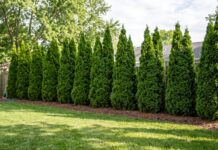
For privacy, you usually want a dense, upright, fast-growing type that stays leafy in your climate. In warmer regions, sweet viburnum is often used for large privacy hedges. In cooler regions, deciduous viburnums can form beautiful seasonal hedges but may not provide full winter screening.
Best Viburnum Hedge Uses
- Property line screening: large upright viburnums can soften fences and block views.
- Mixed privacy borders: combine viburnum with evergreens and other shrubs for layered screening.
- Wildlife hedges: native viburnums can support birds and beneficial insects.
- Flowering hedges: snowball and doublefile types can provide strong spring impact.
For spacing, pruning, and variety selection, use our dedicated guide: Viburnum Hedge: Best Varieties, Spacing & Privacy Screen Tips.
Common Viburnum Problems
Viburnum is generally reliable, but no shrub is completely problem-free.
Poor Flowering
The most common cause is pruning at the wrong time. If you cut a spring-flowering viburnum before bloom, you may remove the flower buds.
Too much shade can also reduce flowering.
Leggy Growth
Leggy viburnum usually means too much shade, crowding, or lack of selective pruning.
Thin older stems and improve light where possible.
Leaf Spots
Leaf spot diseases may appear in humid conditions or where airflow is poor.
Water at soil level, avoid overhead watering, and remove fallen infected leaves when practical.
Powdery Mildew
Some viburnums may develop powdery mildew, especially in humid, crowded, or poorly ventilated spots.
Better spacing and airflow help reduce the issue.
Viburnum Leaf Beetle
In some regions, viburnum leaf beetle can damage susceptible viburnums.
Symptoms may include skeletonized leaves, defoliation, and repeated stress over multiple seasons. Choosing resistant varieties and monitoring early can make a big difference.
Do Not Ignore Repeat Defoliation
If your viburnum is heavily defoliated year after year, identify the cause early. Repeated leaf loss can weaken the shrub and reduce flowering, berry production, and long-term health.
Best Landscape Uses for Viburnum
Viburnum is one of the most flexible shrub groups for home landscaping.
You can use it formally, naturally, or somewhere in between.
Foundation Beds
Compact viburnums can soften house foundations, add spring flowers, and provide structure without becoming too large when chosen carefully.
Privacy Screens
Large evergreen and dense upright viburnums can screen neighbors, fences, patios, and utility areas.
Wildlife Gardens
Native viburnums can provide flowers, berries, nesting cover, and habitat value for birds and beneficial insects.
Fragrance Gardens
Korean spice viburnum and fragrant hybrids are perfect near patios, walkways, porches, and entry points.
Viburnum Buying Checklist
Before buying viburnum, do not just grab the prettiest shrub at the nursery.
Use this checklist:
- Check mature height and spread: not just the pot size.
- Confirm evergreen or deciduous habit: especially for privacy screens.
- Know your bloom goal: fragrance, snowball flowers, flat clusters, or berries.
- Match the shrub to sunlight: full sun usually improves flowering.
- Check deer pressure: protect young plants in high-deer areas.
- Plan pruning timing: most spring bloomers should be pruned after flowering.
- Leave enough spacing: crowded viburnums are harder to maintain and more prone to airflow issues.
Planning a Viburnum Hedge or Shrub Border?
Choosing the right viburnum is only half the job. A local landscaper can help with spacing, soil prep, planting, irrigation, and privacy screen layout so the shrubs do not outgrow the space.
Find Local Landscaping Pros on Angi
Sponsored affiliate link. Professional availability and pricing vary by location.
Useful Viburnum Care Tools
You do not need a complicated tool setup to grow viburnum well, but a few basics make pruning, planting, and maintenance much easier.
| Tool or Product | Why It Helps |
|---|---|
| Bypass pruners | Clean cuts on small stems after flowering |
| Loppers | Useful for thinning older stems and renewal pruning |
| Slow-release shrub fertilizer | Supports steady growth when soil is low in nutrients |
| Mulch | Helps conserve moisture and suppress weeds |
| Deer repellent | Helps protect young shrubs in high-pressure areas |
Useful tools for pruning and maintaining viburnum shrubs:
Final Thoughts
Viburnum is worth growing because it does so many jobs well.
It can be a fragrant spring shrub near a walkway, a showy snowball-flowered specimen, a native wildlife hedge, a dense privacy screen, or a reliable backbone plant in a mixed border.
The mistake is treating all viburnums as interchangeable.
Before planting, decide what you actually need: compact size, fragrance, berries, deer resistance, evergreen screening, native habitat value, or dramatic flowers.
Once you match the right variety to the right space, viburnum becomes one of the most dependable shrubs in the landscape.
Frequently Asked Questions
Is viburnum a shrub or a tree?
Viburnum is usually grown as a shrub, although some species can become large enough to resemble small trees when mature.
How big does viburnum get?
Viburnum size depends on the variety. Compact types may stay around 4 to 6 feet, while large hedge or screening types can reach 10 to 20 feet in suitable climates.
Does viburnum need full sun?
Most viburnums grow best in full sun to part shade. More sun usually improves flowering and density, while too much shade can lead to fewer blooms and leggy growth.
When should viburnum be pruned?
Most spring-flowering viburnums should be pruned soon after flowering. Pruning too late in the season can remove next year’s flower buds.
Are viburnum deer resistant?
Many viburnums are considered deer resistant, but not deer proof. Hungry deer may still browse young plants, especially during winter or food shortages.
Is viburnum good for privacy?
Yes, some viburnums are excellent for privacy screens. Sweet viburnum and other large dense types are especially useful in warm climates, while deciduous varieties can create seasonal screening and wildlife hedges.
Does viburnum have berries?
Many viburnums produce berries after flowering, especially when compatible pollination occurs. Birds often feed on viburnum fruit.
Why is my viburnum not blooming?
Common reasons include pruning at the wrong time, too much shade, immature plant age, winter bud damage, or too much nitrogen fertilizer.
What is the best viburnum for fragrance?
Korean spice viburnum is one of the best-known fragrant viburnums, with sweetly scented spring flowers that work well near walkways, patios, and entry areas.
What is the best viburnum for a hedge?
Sweet viburnum is often used for large evergreen hedges in warm regions. Arrowwood viburnum and other dense types can also make excellent mixed or wildlife-friendly hedges.