





Say Goodbye to Garden Woes: Garden Frontier Has the Solutions
Home Gardening Caring for Your Yard Peat Free Gardening and Peat Free Compost

Peat Free Gardening and Peat Free Compost

1
5339

Peat Free Gardening

Peat Free Gardening

Peat-free gardening is not the distraction -confidence is.

People aged 25-45 years are scared to garden because they are raised to fear getting things wrong. This demographic is also the most open to environmentally sound suggestions.

Many people have no issue with regenerative, sustainable horticulture – they don’t know how to do it! So, the best idea is to obtain plants from peat-free nurseries and locally made peat-free compost.

Key Highlights

  • Peat-free gardening is crucial for battling climate change and preserving biodiversity.
  • Peat bogs are incredible carbon sinks, storing twice the carbon of all the world’s forests.
  • Using peat in gardens destroys valuable ecosystems and releases harmful greenhouse gases.
  • Thankfully, many peat-free alternatives exist, including coconut coir, composted bark, and leaf mold.
  • Transitioning to peat-free gardening is a significant step towards sustainable gardening practices.

Introduction

The Wildlife Trusts see peat-free gardening as essential in fighting climate change. While we love our gardens, using peat can harm the planet. This blog post will show you the impact of peat on the environment. It will also explain why the Wildlife Trusts support peat-free gardening. Finally, it will guide you on changing to a peat-free garden to help create a healthier planet.

The Importance of Peat-Free Gardening

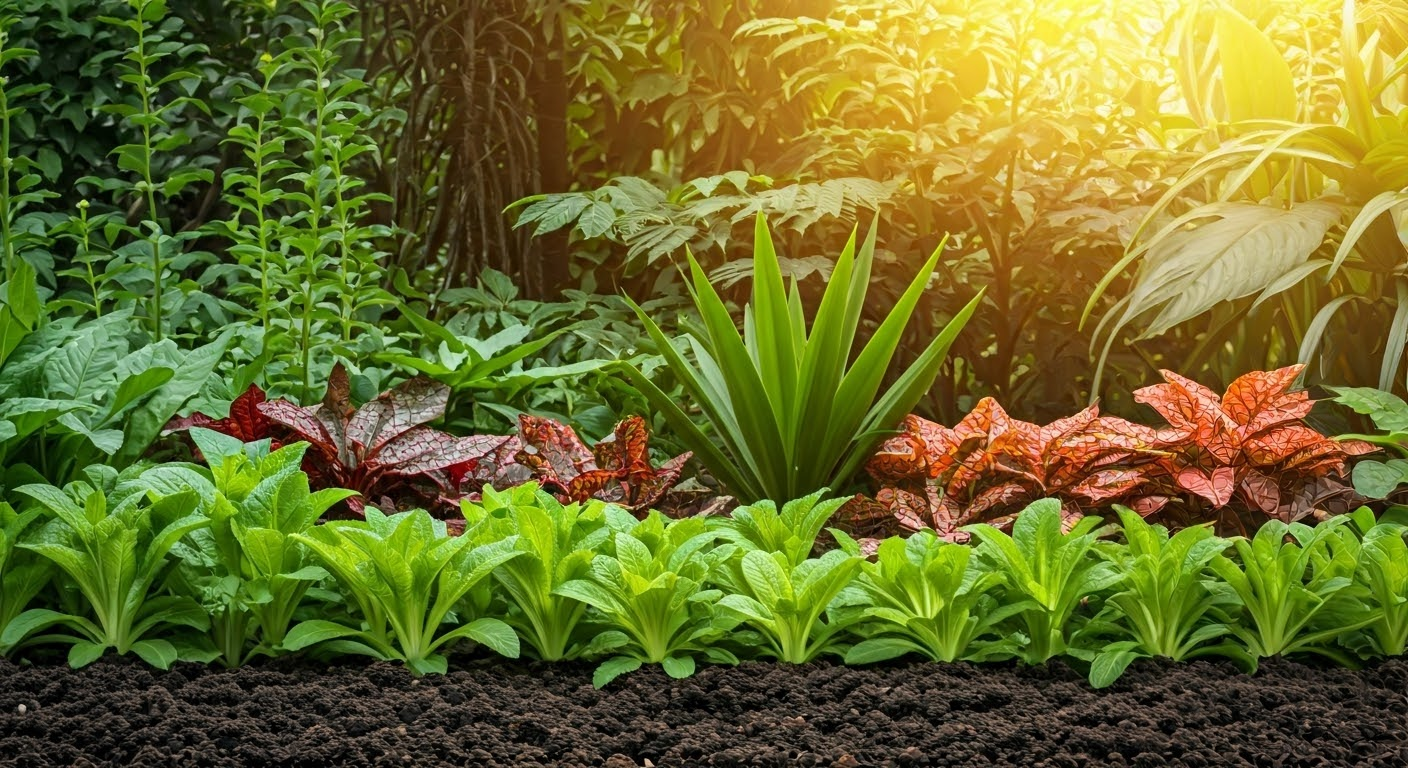
Vibrant peat-free garden

Gardening lovers, including home gardeners, have always valued peat. It helps improve soil texture, aeration, and moisture retention. Peat is mainly made of partly decayed organic matter, like sphagnum moss. It gives plant roots a great environment to grow. But using peat comes with a hidden cost to the environment.

Harvesting peat for gardening damages peat bogs. This destroys important habitats that took thousands of years to form. These areas store a lot of carbon. When we take out peat, that carbon goes back into the air, which adds to climate change.

Understanding the Environmental Impact of Peat-Free Garden Soil

Peat bogs are often seen as the ‘lungs of the Earth’ because they store a lot of carbon. They absorb carbon dioxide from the air and keep it in their peat for many years. This is important for helping to control our climate, reduce global warming, and mitigate flooding.

However, using peat in gardening and garden compost is harming these important areas. When peat bogs are drained and harvested, they release the stored carbon dioxide into the air, making climate change worse. It is essential to protect these ecosystems to help combat climate change and keep biodiversity safe.

In addition to storing carbon, peat bogs are home to various plants and animals, containing layers of plant material. Many unique species depend on these wetlands to live. Our need for peat-based gardening products is contributing to the loss of these habitats and threatening the survival of these species.

The Wildlife Trusts’ Stance on Peat-Free Practices

The Wildlife Trusts want a big change in gardening in the UK. They ask everyone to avoid using peat and to help repair damaged peatlands. They are pushing for stronger rules against peat extraction and recommend using safe alternatives. They want gardeners, stores, and the gardening industry to adopt peat-free methods.

Protecting peatlands is important for the Wildlife Trusts because it helps save many different plants and animals. They work hard to keep healthy peat bogs safe and to fix those that are harmed by extraction. They know how important these areas are for nature.

The Wildlife Trusts also teach people and communities about the effects of their gardening choices on the environment. They encourage everyone to think carefully and make choices that help keep nature safe and healthy for both wildlife and people.

How to Transition to Peat Free Horticulture

Transitioning to peat-free gardening might look hard at first, but it’s simpler than you expect! Many great peat-free options can give you results as good, if not better, for your happy gardening. Using these options is a great choice for a healthier planet.

Start by looking for peat-free products at your local garden center. Talk to the staff and ask about what peat-free products they have. When you show that you want these items, you help stores offer more and support the growing trend of sustainable gardening.

Identifying Peat-Free Products for Your Garden

When shopping at your local garden center, look at the labels to find peat-free products. Look for labels that say “peat-free” or “100% peat-free.” If you are not sure, check the ingredient list for words like “peat,” “peat moss,” “sphagnum moss,” or “bog moss.”

Many brands now provide good peat-free choices. Here are some options that you might like:

  • Coconut coir: This fiber comes from coconut husks and is great for drainage and holding water.
  • Wood fiber: Composted bark or wood chips help give good structure and keep moisture in the soil.
  • Composted green waste: This compost, made from local green waste, is rich in nutrients and good for the environment.

Feel free to ask the staff at the garden center for help and tips on finding the best peat-free products for your gardening needs.

Tips for Successful Peat-Free Gardening

Successfully moving to peat-free gardening needs some changes in how you do things. With some knowledge and a little testing, you can get great results and help the environment, too.

Here are some helpful tips:

  • Improve your soil: Peat-free mixes can do better with added soil amendments. This will help with drainage, moisture retention, and nutrients. You can add perlite, vermiculite, or compost to make your soil better.
  • Water correctly: Peat-free mixes may let water drain faster than those that use peat. Change your watering routine so the plants get enough moisture but don’t sit in water. Using mulch around your plants helps keep moisture and hides weeds.
  • Try and watch: Different peat-free mixes work differently based on your weather and plants. Don’t be shy about trying new things to see what is best for you. Pay attention to how your plants do and change your methods if needed.

Remember, the secret to good gardening is knowing what your plants need. Please give them the right space to grow well. You can have a lovely and eco-friendly garden by making smart choices and using peat-free ways.

Benefits of Peat-Free Gardening

Biodiversity in peat-free garden

Moving to peat-free gardening is a great way to help the planet and have a flourishing garden. It’s good for both the environment and your gardening goals.

When you choose peat-free options, you help save important peat bogs. This protects different plant and animal species and helps fight climate change. You also support better practices in the gardening industry. This encourages new ideas and the responsible sourcing of gardening products.

Enhancing Biodiversity in Your Backyard

By making a peat-free garden, you can change your backyard into a place full of life. Choosing native plants, including shrubs, and avoiding peat-based products can help create homes and food sources for many insects, birds, and other animals.

Native plants grew alongside local wildlife. This means they are well-suited to provide food and shelter. Including different types of native plants helps create a rich ecosystem in your garden. It helps support pollinators, keeps pests in check, and creates a healthier balance in nature around you.

Besides plants, think about adding features that bring in helpful wildlife. You can place bird feeders, bee hotels, and water sources in your garden. These features can help turn your garden into a lively ecosystem that helps local biodiversity.

Improving Soil Health Naturally

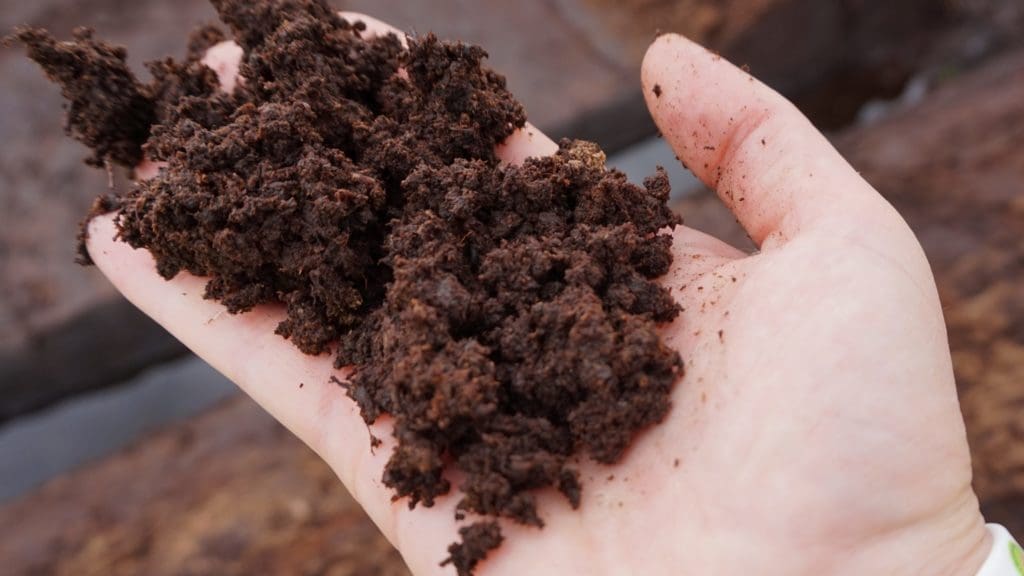
Peat-free gardening involves methods that help keep soil healthy. Compost, worm castings, and other organic materials make the soil rich. This helps with drainage, aeration, and adding nutrients without the use of peat.

Rich soil is full of helpful microbes. These microbes are key to recycling nutrients and fighting off diseases. When you use peat-free methods, especially with compost, you give a great food source to these microbes, helping the soil life.

This creates a good cycle. Healthy soil leads to healthy plants, so you need fewer chemical fertilizers and pesticides. This natural way is good for the environment and helps create a more sustainable and productive garden.

Conclusion

In conclusion, switching to peat-free gardening helps both the environment and supports biodiversity. It also improves the soil health in your backyard. When you choose peat-free products and viable alternatives while using good gardening tips, you help natural ecosystems.

The Wildlife Trusts highlights how important it is to have sustainable gardening. Let’s all work together to build a greener, healthier future for our planet. Think about making the change to peat-free gardening today. You can be part of the solution for a more sustainable environment.

Frequently Asked Questions

What Are the Best Peat-Free Alternatives?

Great alternatives to peat are coconut coir, rice hulls, leaf mold, and aged manure compost. These choices help with water retention and drainage. They also improve soil structure. This supports the healthy growth of plants.

How Can I Tell if a Product is Truly Peat-Free?

  • Check product labels for terms like “peat-free,” “100% peat-free,” or endorsements from trusted groups that support sustainable practices.
  • If you are not sure, reach out to the manufacturer.
  • You can also ask for advice from reliable brands that focus on peat-free products.

Are Peat-Free Methods More Expensive?

Many peat-free options cost about the same as peat-based products. Prices can change, but affordable peat-free options are becoming easier to find. When you think about the best alternatives and long-term environmental benefits, choosing peat-free gardening is a smart and responsible decision.

Comments are closed.

Please Share To Your Friends