












Finding the right herbicide can feel like walking through a minefield of harsh chemicals and confusing labels. If you are struggling with stubborn weeds taking over your pristine lawn, you have likely come across Spruce weed killer.
Spruce has built a reputation as a trusted, fast-acting solution that targets a wide range of common yard invaders. But before you spray Spruce weed killer all over your garden, it is crucial to understand exactly what is in it, how it works, and how it compares to heavy-duty options like Roundup for the safety of your lawn, your pets, and your family.
What Is Spruce Weed Killer?
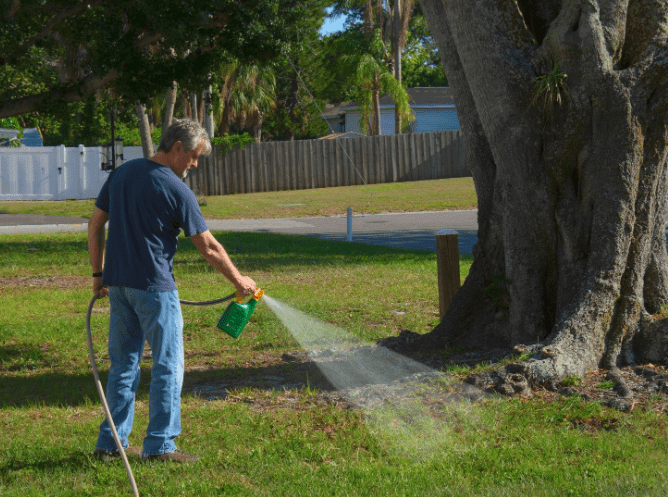
Spruce weed killer is a specialized, selective herbicide engineered specifically for lawn and garden management. Unlike broad-spectrum weed killers that destroy everything they touch, Spruce is designed to target broadleaf and grassy weeds without damaging your actual turfgrass.
This dual-action targeting makes it an incredibly convenient choice for comprehensive lawn care. It is available in various formulations, including ready-to-use liquid sprays for spot treatments and granular forms for spreading over large yards using a broadcast spreader.
What’s in Spruce Weed Killer? Ingredients and Safety
Understanding the chemical composition of your weed killer is vital for ensuring environmental safety and avoiding potential skin sensitivities or allergies.
Key components typically found in Spruce formulations include:
- Selective Herbicides: Active chemicals designed to specifically attack the vascular systems of broadleaf weeds (like dandelions and clover) while ignoring grass species.
- Surfactants: Additives that help the liquid stick to and penetrate the waxy surface of weed leaves.
- Inert Additives: Stabilizers that extend the shelf life of the product.
Safety should always be your top priority. Always wear long pants, closed-toe shoes, nitrile gloves, and a mask during application. Keep children and pets off the treated lawn until the spray has completely dried (usually 24 to 48 hours depending on the weather).
How Spruce Weed Killer Works
Spruce disrupts the internal growth processes of the weed. Once applied, the active ingredients penetrate the leaves and travel down the stem into the root system. It effectively blocks the plant from processing essential nutrients.
Within a few days, you will notice the weeds curling, withering, and eventually dying completely down to the root, preventing them from growing back.
Spruce Weed Killer vs. Roundup: Key Differences
When choosing between Spruce and Roundup, you must understand their fundamental differences. Applying the wrong one will completely destroy your lawn.
| Feature | Spruce Weed Killer | Roundup (Glyphosate) |
|---|---|---|
| Action Type | Selective (Targets weeds only) | Non-Selective (Kills ALL plants) |
| Best Use Case | Lawn care, spraying directly on grass | Driveways, patios, clearing bare dirt |
| Lawn Safe? | Yes | No (It will kill your grass) |
Organic and Natural Weed Control Alternatives
If you prefer to limit chemical use in your garden, there are several highly effective organic methods available that use materials found right in nature.
- Corn Gluten Meal: A fantastic natural pre-emergent. Spread it over your lawn in early spring to stop weed seeds (like crabgrass) from germinating.
- Horticultural Vinegar: High-concentration vinegar (20-30%) mixed with a drop of dish soap acts as an incredible natural burn-down herbicide for young weeds like dollar weed.
- Boiling Water: The cheapest and safest method for killing weeds popping up through driveway cracks or patio pavers. The heat instantly destroys the plant’s cellular structure.
The best natural weed defense is a thick, healthy lawn. Weeds thrive in bare, compacted soil. By aerating your lawn yearly, overseeding in the fall, and mowing at a taller height (around 3 inches), the thick grass will naturally choke out weed seeds before they can sprout.
Application Tips for the Best Results
Achieving a weed-free lawn with Spruce involves precise application techniques. Follow these rules for maximum effectiveness:
- Timing is Everything: Apply the weed killer in the early spring when weeds are small and actively growing. Mature weeds are much harder to kill.
- Watch the Weather: Apply on a calm, sunny day when temperatures are between 65°F and 85°F. Never spray on windy days to prevent drift onto your garden flowers, and avoid spraying if rain is expected within 24 hours.
- Don’t Mow Immediately: Wait at least 2 days before or after mowing to apply the herbicide. The weeds need sufficient leaf surface area to absorb the chemicals!
Frequently Asked Questions
Is Spruce weed killer safe for pets?
Once the product has completely dried (which usually takes 2 to 4 hours depending on humidity and temperature), it is generally safe for pets to re-enter the lawn. Always read the specific label on your bottle to confirm the manufacturer’s safety wait times.
Will Spruce weed killer kill crabgrass?
It depends on the specific Spruce formulation you purchase. Standard broadleaf killers will not affect crabgrass (since crabgrass is a grassy weed). You must ensure the bottle specifically states it kills “grassy weeds” or “crabgrass.”
How long does it take for Spruce weed killer to work?
You will typically begin to see wilting and curling of the weed leaves within 24 to 48 hours. Complete death to the root system usually takes 1 to 2 weeks, depending on the size of the weed.