











I used to think of flax plants as something that belonged in history books, linen shirts and bags of health-store seeds. Then I grew a small patch and realized how useful this plant really is. It gives you delicate blue flowers, slender stems, seed capsules for harvest and fiber that has been used for linen for thousands of years.
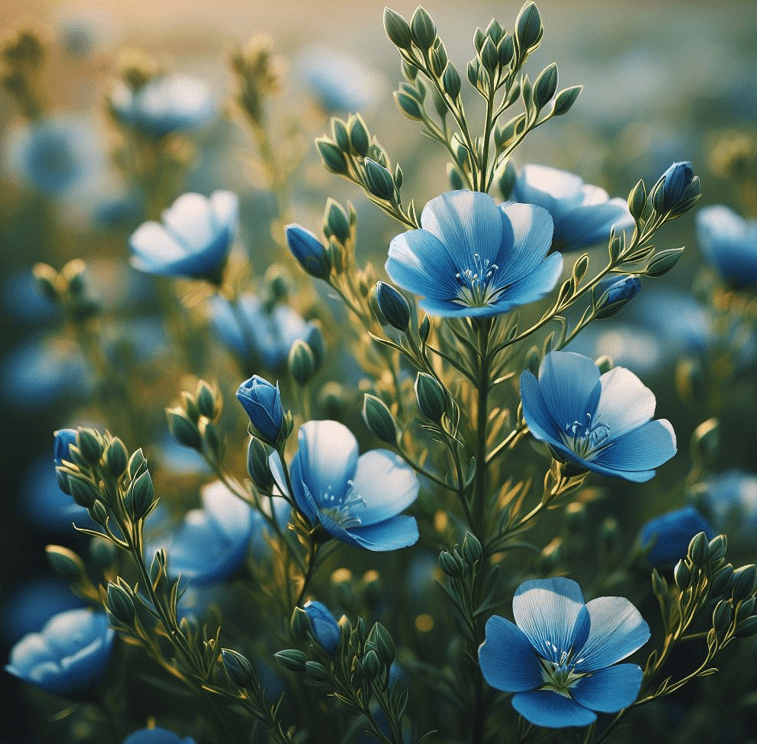
The common flax plant, Linum usitatissimum, is surprisingly easy to grow if you give it full sun, well-draining soil and a cool start to the season. It does not need pampering, but it does need the right timing. Sow it too late into heat, overwater it or crowd the seedlings, and it will struggle.
When grown well, flax is one of those rare plants that feels both ornamental and practical. It looks pretty in a flower border, attracts pollinators, produces seeds for the kitchen and connects your garden to one of the oldest cultivated fiber crops in human history.
- Best light: Full sun.
- Best soil: Loose, well-draining soil; sandy loam is ideal.
- Planting method: Direct sow from seed. Flax does not transplant well.
- Best planting time: Early spring in most climates; fall in mild-winter regions.
- Water needs: Keep evenly moist during germination, then water during dry spells.
- Harvest: Harvest seeds when capsules dry; harvest fiber when stalks yellow and seed bolls mature.
- Main uses: Flowers, flaxseeds, flaxseed oil, linen fiber, dried pods, crafts and pollinator planting.
Flax is not a high-cost crop, but a few simple supplies make planting, harvesting and using the seeds much easier.
| Supply | Best For | Why It Helps | Check Price |
|---|---|---|---|
| Flax Seeds for Planting | Starting a flower or seed patch | Direct sowing fresh seed gives the strongest start because flax dislikes transplanting. | Amazon |
| Ground Flaxseed | Kitchen use | Ground flax is easier to use in oatmeal, yogurt, smoothies, bread and baking. | Amazon |
| Flaxseed Oil | Cold kitchen use | Useful for dressings and cold foods, but not for high-heat cooking. | Amazon |
| Seed Harvest Supplies | Drying and saving flaxseeds | Paper bags, mesh strainers and jars make seed drying and storage cleaner. | Amazon |
| Garden Pest Control | Aphids and flea beetles | Insecticidal soap and row cover can help protect young or stressed plants. | Amazon |
What Are Flax Plants?
Flax plants are slender, upright flowering plants best known for producing linen fiber and flaxseeds. The most famous cultivated species is Linum usitatissimum, often called common flax or linseed.
The plant has narrow leaves, fine stems and delicate flowers that are most often blue, though some ornamental types bloom in white, red, yellow or pale shades. After flowering, flax forms rounded seed capsules filled with small glossy seeds.
Flax is grown for three main reasons:
- Flowers: Beautiful blue blooms for ornamental gardens and pollinators.
- Seeds: Edible flaxseeds used whole, ground or pressed for oil.
- Fiber: Strong stem fibers used to make linen and other natural textiles.
Flax Plant Profile
| Feature | Details |
|---|---|
| Common Name | Flax, common flax, linseed |
| Botanical Name | Linum usitatissimum |
| Plant Type | Annual for common flax; some ornamental flax species are perennial |
| Typical Height | 18 to 36 inches, depending on variety and conditions |
| Flower Color | Usually blue; some varieties are white, red, yellow or pale pink |
| Best Light | Full sun |
| Best Soil | Well-draining, loose, moderately fertile soil |
| Main Uses | Seeds, flaxseed oil, linen fiber, ornamental flowers, dried pods, crafts |
A Short History of Flax Plants
Flax is one of the oldest cultivated plants in the world. Long before synthetic fabrics and modern oils, people grew flax for fiber, food and trade.
Ancient civilizations used flax fibers to make linen cloth, ropes, sailcloth and household textiles. In ancient Egypt, linen was especially important. It was used for clothing, burial wrappings and ceremonial purposes because it was cool, strong and durable.

During the Middle Ages, flax spread widely through Europe and became a major crop for linen production. Linen weavers, spinners and traders built entire local economies around it.
Later, cotton and synthetic fabrics reduced flax’s dominance in clothing, but flax never disappeared. Today, it is valued again for sustainable textiles, natural fibers, flaxseed oil and nutrient-rich seeds.
Why Grow Flax in Your Garden?
Flax is worth growing even if you never plan to process linen fiber. It is attractive, useful and easy to fit into a sunny garden bed.
- Beautiful flowers: Blue flax flowers have a soft, wildflower look.
- Useful seeds: Mature seed capsules can be harvested for flaxseeds.
- Pollinator value: Flowers can attract bees and beneficial insects.
- Low-maintenance habit: Once established, flax is fairly easy to grow.
- Historic crop: Growing flax connects your garden to an ancient textile and food crop.
- Craft material: Dried stems and seed capsules can be used in rustic arrangements.
If you enjoy plants with both beauty and practical value, flax belongs in that category.
How to Grow Flax Plants from Seed
Flax is best grown from seed sown directly where you want it to grow. It has a fine root system and does not like transplanting, so starting it in trays and moving it later can lead to weaker plants.
When to Plant Flax
In most climates, sow flax in early spring as soon as the soil can be worked. Flax enjoys cool conditions during early growth and usually performs better when it gets established before intense summer heat.
In mild-winter regions, you can also sow flax in fall for cool-season growth and spring bloom.
Where to Plant Flax
Choose a location with full sun. Flax can tolerate light shade, but plants will usually be weaker and produce fewer flowers and seed capsules.
The best site is open, sunny and well-drained.
Best Soil for Flax
Flax prefers loose, well-draining soil. Sandy loam is ideal, but it can adapt to many garden soils as long as they do not stay soggy.
If your soil is heavy clay, loosen it with compost and avoid compacting the planting area. Flax does not like wet roots.
How to Sow Flax Seeds
- Prepare the bed: Remove weeds, loosen the top few inches of soil and rake smooth.
- Scatter seed thinly: Sow seeds directly over the prepared soil.
- Cover lightly: Rake gently so the seeds are barely covered.
- Water carefully: Keep the soil evenly moist until germination.
- Thin seedlings: Once seedlings are established, thin crowded areas so plants have airflow.
Do not overwork flax seedlings. Direct sow them, keep the seedbed moist and thin gently. Flax grows best when it is not disturbed after germination.
Flax Plant Care
Light
Flax needs full sun for the strongest stems, best flowering and good seed production. Aim for at least 6 hours of direct sun per day.
Water
Keep the soil moist during germination and early growth. Once established, flax can handle some dryness, but prolonged drought can reduce flowering and seed development.
Avoid overwatering. Soggy soil encourages root problems and weak growth.
Fertilizer
Flax usually does not need heavy feeding. In average garden soil, compost before planting may be enough. If growth is weak, use a light application of balanced fertilizer.
Too much nitrogen can encourage leafy growth at the expense of strong stems and seed production.
Spacing
Thin flax seedlings so they are not crowded. Good airflow helps reduce disease and makes the plants easier to harvest.
If you are growing flax mainly for flowers, you can leave a slightly fuller patch. If growing for fiber, more uniform spacing helps produce straighter stems.
Mulch
A light mulch can help retain moisture and suppress weeds, but do not bury the young stems. Keep mulch thin around small seedlings.
How Tall Do Flax Plants Grow?
Most common flax plants grow about 18 to 36 inches tall. Height depends on variety, soil fertility, spacing, moisture and weather.
Plants grown for fiber are often taller and straighter when crowded slightly, while ornamental flax may have a looser, more natural shape.
Flax Flowers: What Do They Look Like?
Flax flowers are delicate, usually five-petaled and most famously blue. They often open in the morning and may drop by later in the day, but new flowers keep appearing over the bloom period.
Common flax usually has soft blue flowers, while ornamental species and cultivars may produce red, white, yellow or pale-toned blooms.
The flowers are not large, but they create a beautiful airy effect when grown in groups.
When and How to Harvest Flax
How you harvest flax depends on whether you want fiber, seeds or dried decorative stems.
Harvesting Flax for Fiber
For fiber, harvest when the lower part of the plant begins to yellow and the seed bolls are forming or turning brown. Traditionally, flax for fiber is pulled rather than cut because the useful fibers run down the full length of the stem.
Processing flax into linen is more advanced and involves drying, retting, breaking, scutching and combing. It is a rewarding project, but it takes patience.
Harvesting Flaxseeds
For seeds, wait until the seed capsules dry and turn brown. The pods should rattle slightly when shaken.
Cut the stems, bundle them and hang them upside down in a dry, airy place. Once fully dry, crush or rub the capsules to release the seeds, then separate the chaff.
Harvesting Flax for Crafts
For dried arrangements, harvest when stems and seed capsules look mature but before they shatter. Hang bundles upside down until completely dry.
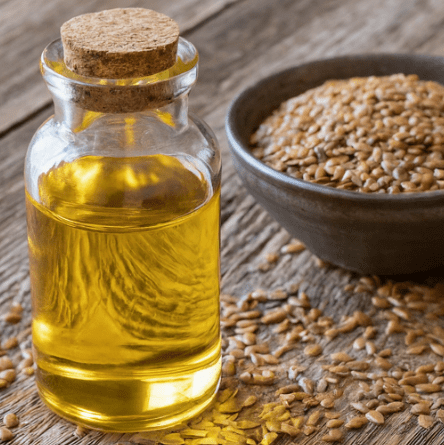
Flaxseed Oil vs Flaxseeds: Which Should You Use?
Flaxseed oil and flaxseeds come from the same plant, but they are not the same product. They work differently in the kitchen and provide different benefits.
| Feature | Flaxseed Oil | Flaxseeds |
|---|---|---|
| Main Benefit | Concentrated plant-based omega-3 fat | Fiber, lignans, protein and healthy fats |
| Fiber Content | No fiber | Good source of dietary fiber, especially when ground |
| Best Use | Cold dressings, smoothies, drizzling over food | Oatmeal, yogurt, baking, smoothies, bread, crackers |
| Heat Tolerance | Not for high-heat cooking | Can be used in baking, especially ground |
| Storage | Refrigerate; use quickly after opening | Whole seeds store longer; ground seeds should be refrigerated or frozen |
If you want fiber and a broader whole-food ingredient, use ground flaxseeds. If you want a concentrated oil for cold dishes, flaxseed oil is the better choice.
One practical tip: whole flaxseeds can pass through digestion without fully breaking down. For most kitchen uses, ground flaxseed is easier to absorb and easier to mix into meals.
How to Use Flax from the Garden
1. Flaxseeds in Food
Ground flaxseeds can be added to oatmeal, yogurt, smoothies, muffins, bread, pancakes, crackers and homemade granola. Use small amounts at first if you are not used to high-fiber foods.
2. Flaxseed Oil
Flaxseed oil is best used cold. Add it to salad dressings, smoothies, dips or already-cooked foods. Do not use it as a high-heat frying oil.
3. Linen Fiber
Turning flax stems into linen takes more work, but it is one of the most fascinating uses of the plant. The stems must be retted, dried, broken and combed to separate the fibers.

4. Cut Flowers
Flax flowers are delicate and short-lived, but they are lovely in casual garden bouquets. The seed capsules are better for dried arrangements.
5. Crafts and Dried Decor
Dried flax stems and seed pods can be used in wreaths, wall hangings, rustic arrangements and natural craft projects.
Common Problems with Flax Plants
Flax Plants Falling Over
Flax can flop if grown in too much shade, overly rich soil or windy locations. Full sun and moderate fertility help produce stronger stems.
Yellowing Leaves
Yellowing may be caused by poor drainage, overwatering, nutrient imbalance or natural aging as the plant matures.
Poor Flowering
Too much shade, drought stress or poor timing can reduce flowering. Flax prefers full sun and a cool start.
Aphids
Aphids may gather on tender growth. Spray them off with water or use insecticidal soap if needed.
Flea Beetles
Small holes in young leaves may come from flea beetles. Healthy, fast-growing seedlings often recover, but row cover can help protect young plants.
Fungal Disease
Fungal issues are more likely in crowded, wet, poorly ventilated plantings. Thin seedlings, avoid overwatering and plant in well-draining soil.
Why Are My Flax Plants Dying?
If flax plants are dying, the most common causes are soggy soil, poor drainage, too much shade, overcrowding, transplant shock or severe drought.
Check these first:
- Drainage: Flax does not like wet, compacted soil.
- Sunlight: Weak plants may not be getting enough full sun.
- Watering: Soil should be moist during establishment but not constantly wet.
- Spacing: Crowded plants have poor airflow and compete for nutrients.
- Transplanting: Flax dislikes being moved, so direct sowing is better.
Can You Divide or Split Flax Plants?
It depends on the type of flax. Common flax, Linum usitatissimum, is usually grown as an annual from seed and is not normally divided. It is better to sow fresh seed each season.
Some ornamental perennial flax species can be divided, but they are often still easier to propagate from seed or cuttings depending on the plant.
If you are growing a perennial flax and want to divide it, do so in cool weather. Lift the clump carefully, separate sections with roots and growing points, and replant immediately in well-draining soil.
Do Rabbits Eat Flax Plants?
Rabbits may nibble young flax plants, especially when other food is scarce. Mature flax is not usually their first choice, but tender seedlings can still be vulnerable.
If rabbits are common in your garden, protect young flax with wire cloches, fencing or temporary row cover until plants are established.
Flax in Sustainable Fashion and Materials
Flax has become important again because linen and flax-based materials fit modern interest in natural, lower-impact fibers. Linen is durable, breathable and biodegradable when untreated with synthetic blends.
Beyond clothing, flax fiber can also be used in paper, composites, insulation, craft materials and experimental sustainable products.
That is part of what makes flax so interesting: it is both ancient and modern. People used it thousands of years ago, and designers are still finding new ways to use it today.
Final Thoughts: Is Flax Worth Growing?
Yes, flax is worth growing if you want a plant that is beautiful, useful and historically meaningful. It does not demand much space, and even a small patch can give you flowers, seed capsules and a better appreciation for where linen and flaxseed come from.
For beginners, I recommend growing flax first as a flower and seed crop. Once you understand its growth cycle, you can experiment with fiber harvesting and processing.
My simple rule is this: direct sow flax in full sun, keep it evenly moist while young, avoid soggy soil and harvest based on your goal. For flowers, enjoy the bloom. For seeds, wait for dry capsules. For fiber, harvest when stems yellow and bolls mature.
Frequently Asked Questions About Flax Plants
How tall do flax plants grow?
Most common flax plants grow about 18 to 36 inches tall. Height varies by variety, spacing, soil, sunlight and moisture.
What do flax plants look like?
Flax plants have slender upright stems, narrow leaves, delicate five-petaled flowers and rounded seed capsules. Common flax usually has blue flowers.
Where do flax plants grow best?
Flax grows best in full sun and well-draining soil. It prefers cool early-season conditions and does not like soggy soil.
Can you grow flax from seed?
Yes. Flax is best grown from seed sown directly outdoors. It does not transplant well, so direct sowing is recommended.
When should I plant flax seeds?
Plant flax seeds in early spring as soon as the soil can be worked. In mild-winter climates, flax can also be sown in fall.
When do you harvest flax seeds?
Harvest flax seeds when the seed capsules turn brown and dry. Cut the stems, dry them fully, then crush the capsules to release the seeds.
What does the flax plant give us?
Flax gives us linen fiber from its stems, edible flaxseeds, flaxseed oil, ornamental flowers, dried seed pods and craft material.
Can you divide flax plants?
Common flax is usually grown as an annual from seed and is not normally divided. Some perennial ornamental flax types can be divided in cool weather.
Why are my flax plants dying?
Common causes include overwatering, poor drainage, lack of sun, overcrowding, drought stress or transplant shock.
Do rabbits eat flax plants?
Rabbits may nibble young flax seedlings, especially when food is scarce. Protect young plants with fencing or row cover if rabbits are a problem.
Is flaxseed oil the same as flaxseeds?
No. Flaxseed oil is pressed from the seeds and contains concentrated oil but no fiber. Whole or ground flaxseeds contain fiber, lignans, protein and healthy fats.
🌿 Grow More Useful Plants
Join our gardening community for plant care guides, seed-starting tips, edible garden ideas and practical seasonal advice.
100% Free. No spam. Unsubscribe anytime.