












How to Identify Sweetgum, Chestnut, Buckeye and Sycamore Seed Pods
If you found hard, round, spiky balls scattered across your lawn, the most likely culprit is a sweetgum tree. Sweetgum seed pods, often called gumballs, are woody, spiky, golf-ball-sized fruits that fall from the tree and can make walking barefoot across the yard a painful mistake.
But sweetgum is not the only tree that drops round or prickly seed pods. Horse chestnut, buckeye, true chestnut, and sycamore trees can also produce seed balls, burs, or round seed clusters that confuse homeowners.
I usually identify these trees by looking at three things together: the shape of the seed pod, the leaves, and the time of year the pods fall. The seed pod alone gives you a strong clue, but the leaves confirm the answer.
🌳 Quick Answer: What Tree Has Spiky Balls?
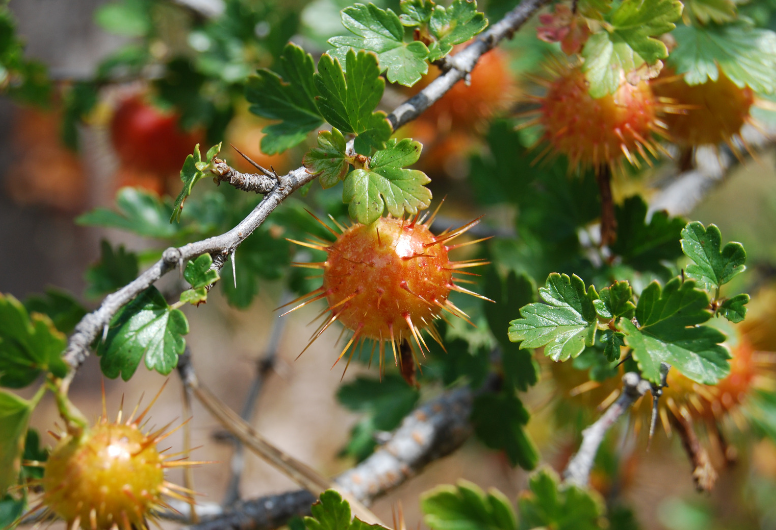
- Hard brown spiky balls on the lawn: Usually sweetgum.
- Green spiky husks with shiny brown seeds: Horse chestnut or buckeye.
- Very sharp fuzzy burs with edible nuts inside: True chestnut.
- Round fuzzy hanging balls, not sharply spiky: Sycamore or plane tree.
- Important safety note: Buckeye and horse chestnut seeds are toxic and should not be eaten.
Quick Identification Table: Trees With Spiky Balls
| Tree | Seed Pod or Ball | Leaf Clue | Edible? |
|---|---|---|---|
| Sweetgum Liquidambar styraciflua |
Hard, woody, brown spiky balls about 1 to 1.5 inches wide | Star-shaped leaves with bright fall color | No |
| Horse Chestnut / Buckeye Aesculus |
Green or brown husks, sometimes spiny, with shiny brown seeds inside | Palmate leaves with 5 to 7 leaflets | No, toxic |
| True Chestnut Castanea |
Very sharp, dense burs with edible chestnuts inside | Long serrated leaves | Yes, when correctly identified |
| Sycamore / Plane Tree Platanus |
Round fuzzy seed balls that hang from stems | Large maple-like leaves and peeling bark | No |
1. Sweetgum Tree: The Most Common Tree With Hard Spiky Balls
When someone asks me, “What tree has spiky balls all over the yard?” my first guess is usually sweetgum. The sweetgum tree produces hard, round, woody seed balls covered in small spikes. These balls often fall in large numbers and can be annoying to rake, mow, or step on.
Sweetgum trees are common shade trees in many parts of the United States, especially in the South and East. They are beautiful in fall, but the seed balls are the reason many homeowners either love them from a distance or regret planting one near a driveway, sidewalk, or lawn.
How to Identify Sweetgum Balls
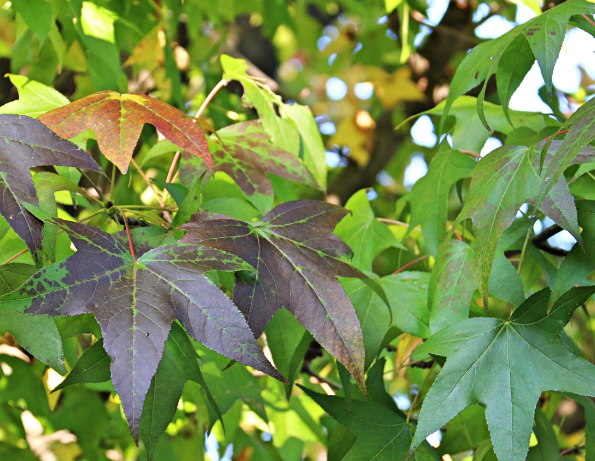
- Shape: Round, woody, and covered in stiff spikes.
- Size: Usually about 1 to 1.5 inches wide, roughly golf-ball sized.
- Color: Green when young, then brown and dry when they fall.
- Texture: Hard and prickly, not soft or fuzzy.
- Leaves: Star-shaped leaves with five pointed lobes.
- Fall color: Yellow, orange, red, purple, or burgundy depending on the tree and conditions.
Are Sweetgum Balls Dangerous?
Sweetgum balls are not usually dangerous in a poisonous sense, but they can be a physical nuisance. They are hard enough to hurt bare feet, trip people on sidewalks, clog lawn equipment, and make lawn cleanup frustrating.
If you have kids, pets, or older adults using the yard, it is worth keeping walkways and play areas clear during heavy drop season.
2. Horse Chestnut and Buckeye: Spiky Pods With Toxic Seeds
Horse chestnut and buckeye trees also produce round seed pods, but they are different from sweetgum balls. Their pods are usually green at first and may be smooth, lightly spiny, or prickly depending on the species. Inside are shiny brown seeds often called buckeyes or conkers.
This is where identification matters. Horse chestnut and buckeye seeds are often confused with edible chestnuts, but they are not edible. They are toxic to people and pets.
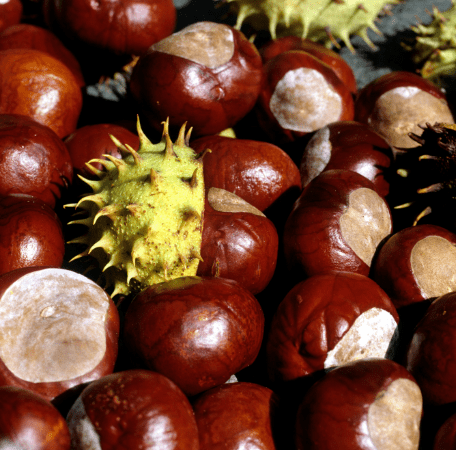
How to Identify Horse Chestnut or Buckeye Pods
- Pod: Green or brown husk, sometimes with short spines.
- Seed: Smooth, shiny, brown seed inside.
- Leaves: Palmate compound leaves with several leaflets spreading from one point.
- Fall color: Often yellow, orange, or brown.
- Safety: Seeds are toxic and should not be eaten.
Buckeye vs Horse Chestnut
Buckeyes and horse chestnuts both belong to the Aesculus group, so they can look similar. In practical yard identification, the big clue is the shiny brown seed inside a husk and the palmate leaves.
If your “spiky ball” opens to reveal a shiny brown seed that looks like a polished nut with a pale spot, it is likely buckeye or horse chestnut rather than sweetgum.
3. True Chestnut: Very Sharp Burs With Edible Nuts
True chestnuts produce some of the sharpest seed coverings you will find. Their burs are densely covered in thin, needle-like spines and can be painful to pick up without gloves.
Unlike horse chestnut or buckeye, true chestnut trees produce edible chestnuts. But you need to identify them correctly before eating anything from the ground.
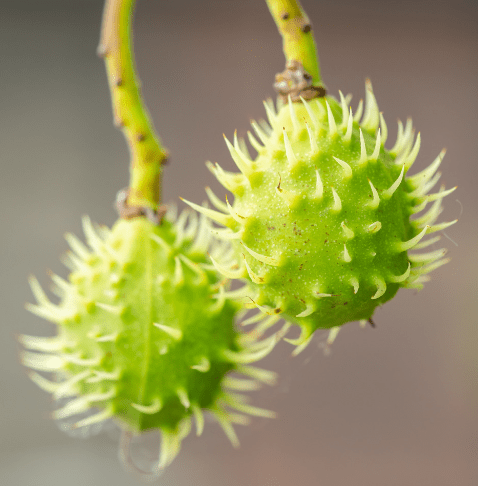
How to Identify True Chestnut Burs
- Bur: Very sharp, dense, needle-like spines.
- Nut: Edible chestnuts inside the bur.
- Leaves: Long, narrow, serrated leaves.
- Tree type: American chestnut, Chinese chestnut, European chestnut, or hybrids.
- Important clue: True chestnut leaves look very different from horse chestnut leaves.
True Chestnut vs Horse Chestnut
This is the most important safety difference in the article. True chestnuts are edible when properly identified and prepared. Horse chestnuts and buckeyes are toxic.
The easiest way to separate them is by the leaves and pod. True chestnut trees have long serrated leaves and very sharp burs. Horse chestnut and buckeye trees have palmate leaves with several leaflets and shiny brown toxic seeds inside a husk.
Do not eat any “chestnut-looking” seed unless you are completely sure it came from a true chestnut tree. Horse chestnut and buckeye seeds are toxic.
4. Sycamore: Round Seed Balls That Look Fuzzy, Not Truly Spiky
Sycamore trees can also confuse people because they produce round seed balls. However, sycamore balls are not the same as sweetgum balls. They are usually softer-looking, fuzzy or bristly, and often hang from long stems before breaking apart.
The tree itself is usually easy to recognize by its patchy, peeling bark and large maple-like leaves.
How to Identify Sycamore Seed Balls
- Seed ball: Round, fuzzy or bristly, not hard and sharply spiky like sweetgum.
- Location: Often hangs from stems on the tree before falling apart.
- Leaves: Large, broad, maple-like leaves.
- Bark: Peeling patchwork bark in cream, tan, gray, and brown.
- Wildlife value: Seeds can feed birds and small wildlife.
How to Identify a Tree by Its Spiky Balls
When I am trying to identify a mystery tree from seed pods on the ground, I do not stop at the pod. I check the leaves, bark, and how the pod is built.
1. Look at the Pod Texture
- Hard and woody with stiff spikes: Sweetgum.
- Green husk with a shiny brown seed: Buckeye or horse chestnut.
- Extremely sharp needle-like bur: True chestnut.
- Round fuzzy ball that hangs from a stem: Sycamore.
2. Look at the Leaves
- Star-shaped leaves: Sweetgum.
- Palmate leaves with several leaflets: Buckeye or horse chestnut.
- Long serrated leaves: True chestnut.
- Large maple-like leaves: Sycamore.
3. Look at the Bark
Sweetgum bark is often gray-brown and furrowed. Sycamore bark is much more distinctive because it peels in patches and creates a mottled camouflage look. Chestnut bark becomes ridged with age, while buckeye and horse chestnut bark varies by species and age.
4. Notice When the Balls Fall
Many spiky seed pods fall in late summer, fall, or winter. Sweetgum balls often persist into winter and can keep dropping long after leaves have fallen.
What Can You Do With Sweetgum Balls?
Sweetgum balls can be annoying, but they do not have to be completely useless. I would not leave them where people walk, but they can be repurposed in a few ways.
- Craft projects: Wreaths, ornaments, rustic decorations, and natural art projects.
- Mulch in rough areas: They can be used in out-of-the-way beds, though they are uncomfortable near paths.
- Compost slowly: They break down slowly, so chopping or crushing helps.
- Wildlife cover: Left in natural areas, they become part of the leaf litter ecosystem.
How to Clean Up Spiky Balls From the Yard
If the tree drops hundreds or thousands of spiky balls, cleanup becomes part of yard maintenance. The easiest method depends on your lawn size and how many balls fall.
- For small areas: Use a rake and thick gloves.
- For lawns: Try a lawn sweeper or nut gatherer.
- For walkways: Clear them regularly to prevent slipping or painful steps.
- For garden beds: Remove them before they collect under mulch or shrubs.
Should You Remove a Tree That Drops Spiky Balls?
I would not remove a healthy shade tree just because it drops seed balls unless it is creating a serious safety or maintenance problem. Sweetgum, chestnut, buckeye, and sycamore trees can all provide shade, wildlife value, fall color, and landscape structure.
However, tree location matters. A sweetgum directly over a driveway, sidewalk, patio, playground, or small lawn can become frustrating. If you are planting a new tree, think carefully before choosing a heavy seed-pod producer for a high-traffic area.
If you already have a mature tree and are unsure what to do, talk to a certified arborist before removing it. Sometimes pruning, cleanup tools, or changing the landscape beneath the tree is enough.
Common Mistakes When Identifying Trees With Spiky Balls
1. Calling Every Spiky Ball a Sweetgum Ball
Sweetgum is common, but not every round seed pod is sweetgum. Chestnut burs, horse chestnut husks, buckeye pods, and sycamore seed balls can all be confused at first glance.
2. Confusing Horse Chestnuts With Edible Chestnuts
This is the mistake that matters most. Horse chestnuts and buckeyes are toxic. True chestnuts are edible when correctly identified. Always check the leaves and bur structure before assuming anything is edible.
3. Ignoring the Leaves
The seed pod gives you a clue, but the leaves usually confirm the tree. Sweetgum leaves are star-shaped. Buckeye leaves have several leaflets. Chestnut leaves are long and serrated. Sycamore leaves are large and maple-like.
4. Forgetting That Pods Change Color
Many seed pods are green when young and brown when mature. A green ball in summer and a brown ball in winter may be from the same type of tree.
Final Verdict: What Tree Has Spiky Balls?
If the balls are hard, brown, round, and painfully spiky, the tree is probably a sweetgum. If the pod is a husk with a shiny brown seed inside, look at horse chestnut or buckeye. If the bur is extremely sharp and contains edible nuts, it may be a true chestnut. If the ball is fuzzy and hangs from a stem, it is more likely sycamore.
The fastest way to identify the tree is to match the seed pod with the leaves. Once you know the combination, the mystery usually becomes obvious.
📚 More Tree & Yard Guides
Trying to identify or manage trees in your yard? These guides can help:
Frequently Asked Questions
What tree drops hard spiky balls?
The tree that most commonly drops hard spiky balls is the sweetgum tree. Its woody seed pods are often called sweetgum balls or gumballs.
Are sweetgum balls poisonous?
Sweetgum balls are not usually treated as poisonous, but they are hard, sharp, and unpleasant to step on. They should not be eaten.
What tree has green spiky balls with brown seeds inside?
A tree with green spiky pods and shiny brown seeds inside may be horse chestnut or buckeye. The seeds are toxic and should not be eaten.
Are horse chestnuts the same as edible chestnuts?
No. Horse chestnuts and buckeyes are toxic. True chestnuts from Castanea trees are the edible chestnuts, and they have different leaves and burs.
What tree has round fuzzy balls?
Sycamore and plane trees produce round fuzzy seed balls that often hang from stems. They are not the same as the hard spiky balls from sweetgum trees.
How do I get rid of sweetgum balls in my yard?
Use a rake, lawn sweeper, or nut gatherer to collect sweetgum balls. Clear sidewalks and play areas regularly because the balls can be painful to step on.
Can I use sweetgum balls for crafts?
Yes. Dried sweetgum balls are often used in wreaths, ornaments, rustic decorations, and other natural craft projects.